
Communications
Crisis
Leadership
The business was running a 15–20% vacancy factor. In some services that wasn’t just an operational headache because there were minimum staffing levels written into NHS contracts, so gaps meant contractual risk. I was on the leadership team, so this wasn’t a brief that landed on my desk — it was a business problem I could see up close. And I could see that marketing had a role to play that nobody had written a brief for yet.
But the recruitment problem was just a symptom. The organisation had no employer proposition. Managers couldn’t say why someone would leave an NHS organisation — the work is still NHS work, but the employer isn’t state-owned — come and work for us. Many of them hadn’t been given any help to try. We found that some were actively mis-selling terms and conditions because they didn’t understand the difference between what TUPE’d staff were on and what new joiners were being offered. The prevailing view was that we were “just part of the NHS, but a bit different.” The careers site was a job search page bolted onto a new ATS. The employer brand materials had been rushed out during a change of ownership, but even before then, nobody had co-designed them with the people they were supposed to represent.
And retention told the same story. People were leaving within two years, consistently. Nobody had defined who we were trying to attract, or given them a reason to stay.
The brief said recruitment. The problem was all about identity.
Communications and marketing spend a lot of time taking briefs that say “general public” and working out who the audience really is. This was the same thing at a bigger scale. The business didn’t need a better way of saying what it already said. It needed to find out what it actually had to say that moved the dial.
So the first job was winning over the exec on the idea that this required proper research, not just better copywriting. We pitched it around a five-stage methodology (define, discover, design, develop, improve) so we could understand the real reasons people were joining, staying and leaving. The assumption had been that differentiation was basically impossible — everyone in the sector works for the NHS and wants to keep working for the NHS, so there isn’t a big enough group out there to pitch something different to. But that assumption was exactly the opportunity. If everyone in your sector shares the same employer brand, and you’re the one that takes the time to build something distinct, you’re the only one in the room.
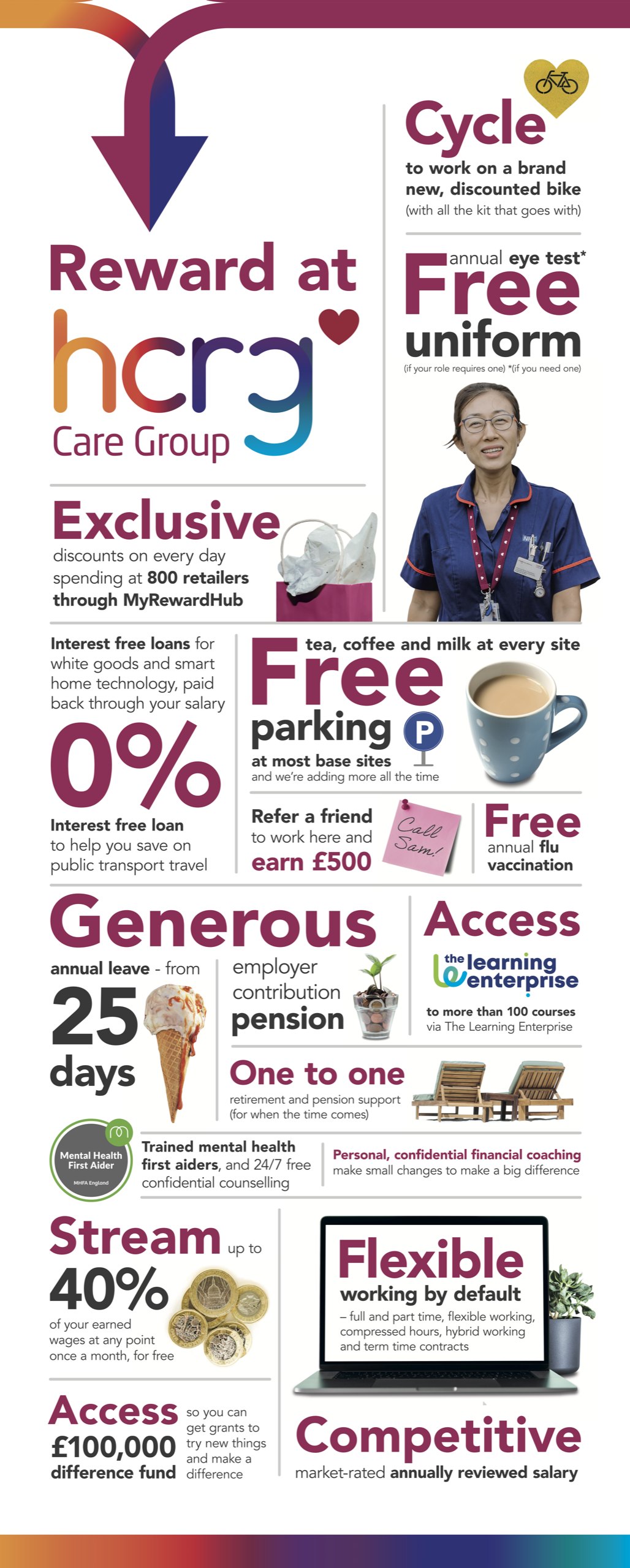
The research turned up something nobody expected. The things people actually valued — the reasons they’d joined and stayed — were free tea, coffee and milk, and free parking wherever we could get it. Not the career development or the mission — both of which the organisation offered — but the small, practical, daily stuff that made working life a bit better, and made people feel like they were treated as people.
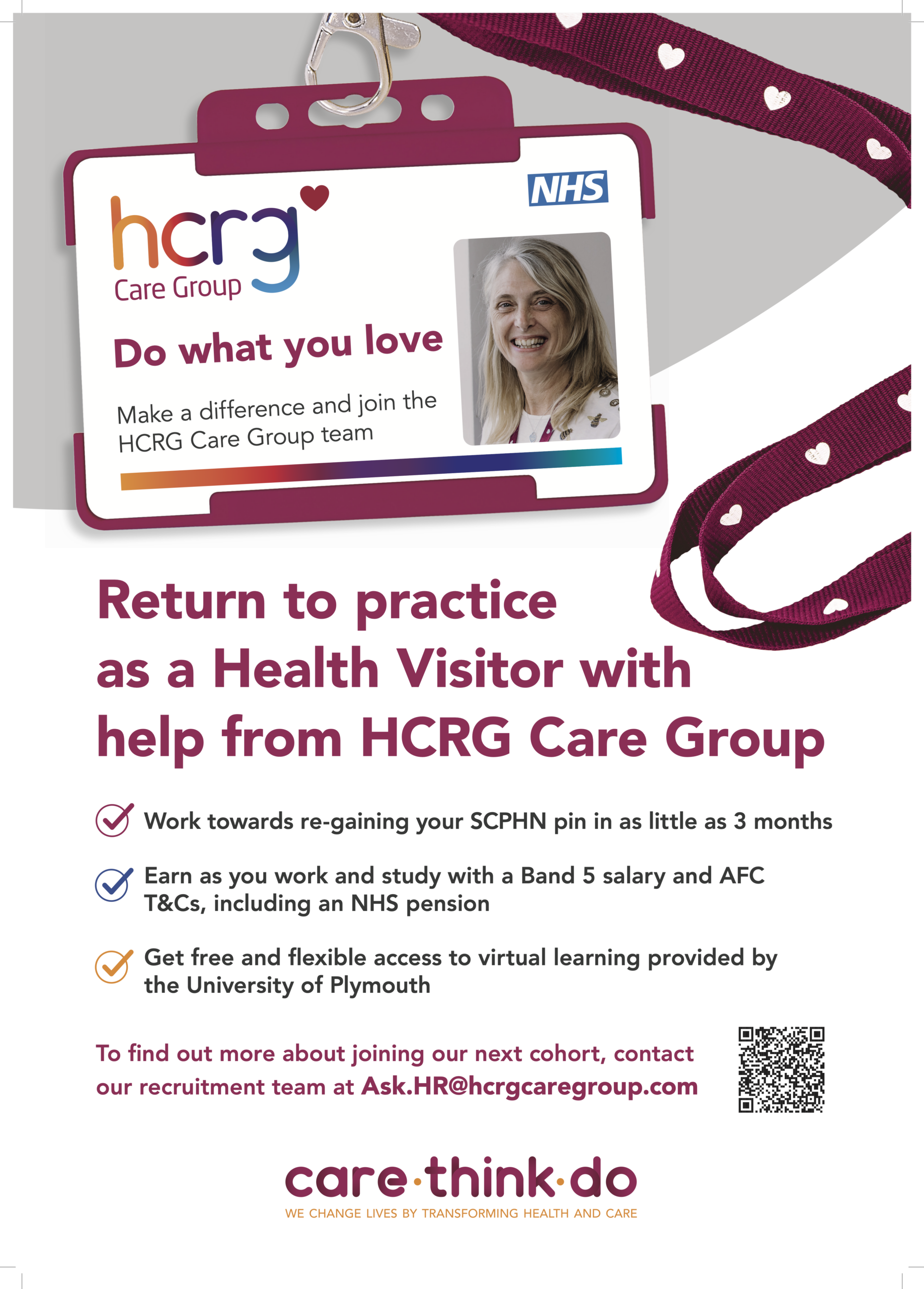
We also found that people who’d spent years in the NHS — and perhaps saw themselves as only ever working for the NHS — needed to be able to imagine themselves here. Not conceptually. Visually. They needed to see themselves wearing our lanyard, carrying our ID badge. The campaign needed to work on both levels — literal and emotional, not just practical.
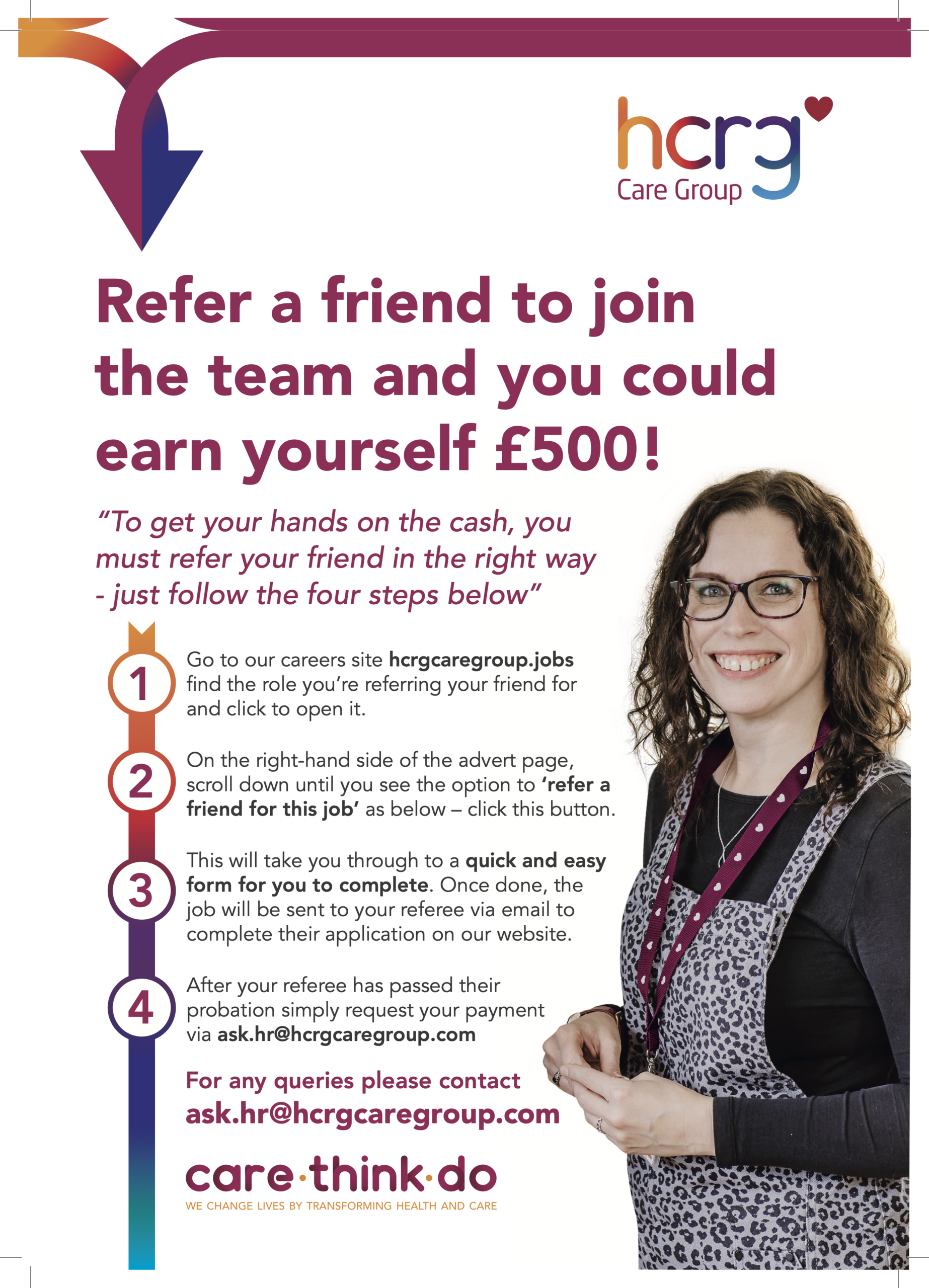
Then we built the infrastructure underneath it. Role profiles for five priority roles. A new careers website, designed and integrated with the ATS. The campaign itself was built around real staff — their faces, their lanyards, their words — with the practical benefits up front. And internal comms ran alongside everything, reinforcing the benefits that weren’t surfacing organically, so that next time a manager was asked “why work here?” they’d have an answer.
I've checked this content, but it's hosted on third-party sites. Let me know if something stops working or goes wrong.